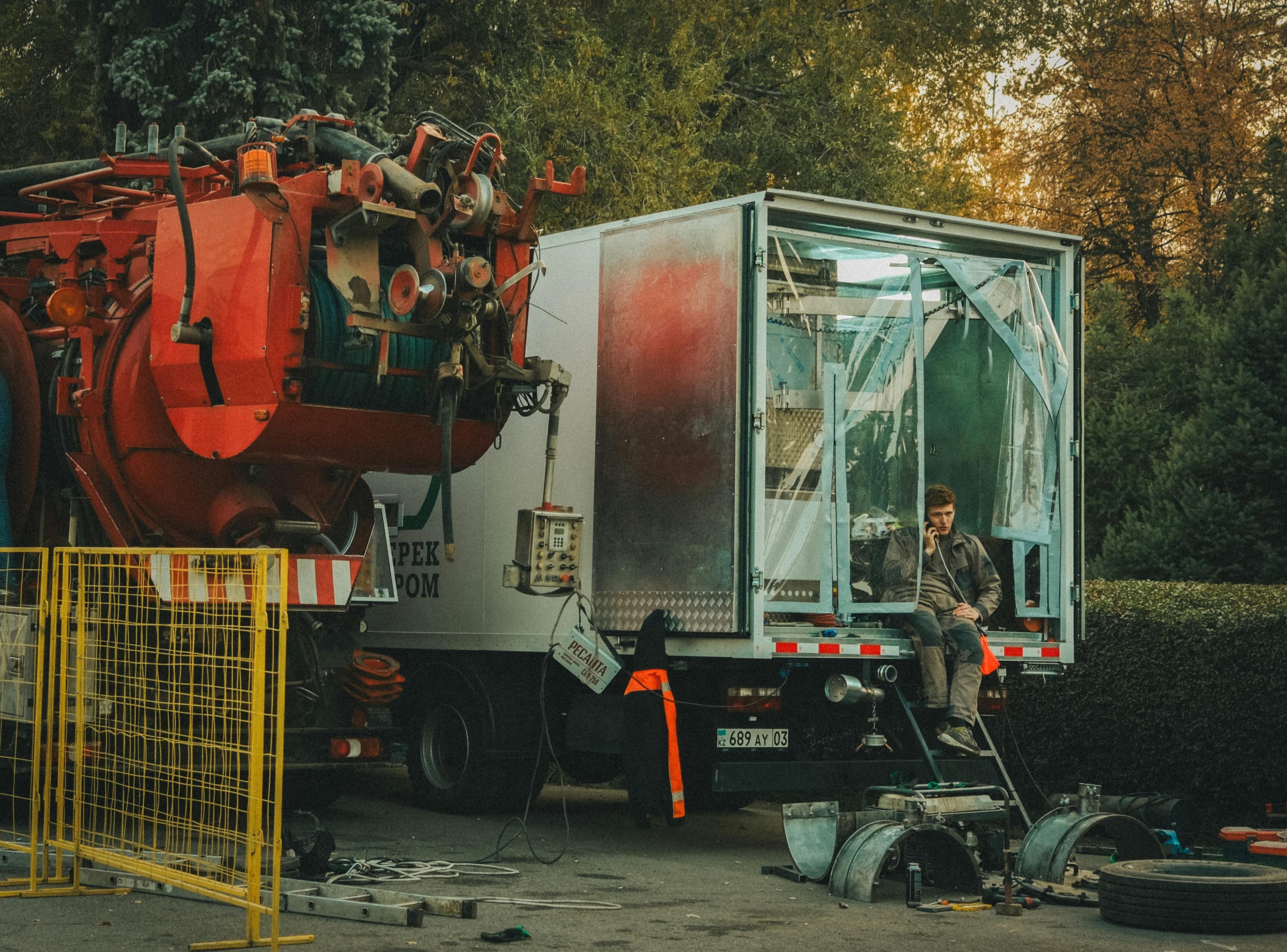
The Hidden Productivity Drain
Here's a number that should make every pest control owner uncomfortable: industry data suggests technician utilization rates often hover around 55%, meaning the average field technician may spend only 4-5 hours of an 8-hour day actually performing billable services [1]. The rest? Driving between stops, waiting for customers, and navigating inefficient routes.
That windshield time isn't just unproductive—it's expensive. Fuel costs. Vehicle wear. Technician wages for non-billable hours. Opportunity cost of services that could have been completed.
For field service companies, inefficient routing represents a significant drain on productivity—capacity that never materializes and revenue that goes unrealized.
Why Human Scheduling Fails at Scale
Your dispatcher is smart. They know the service area, understand customer preferences, and can juggle competing priorities. But they're solving an impossible math problem.
Consider: 8 technicians, 60 daily stops, variable service times, customer time windows, traffic patterns, technician skills, and equipment requirements. The number of possible route combinations is astronomical. No human brain can optimize that—they satisfice.
Satisficing means finding routes that "work." Not routes that are optimal. Industry research suggests organizations can reduce drive time by 30-40% through smarter planning and technology [2], representing significant untapped efficiency in daily operations.
What AI Routing Actually Does
Machine learning doesn't get overwhelmed by complexity—it thrives on it. AI routing systems process thousands of variables simultaneously to find solutions humans simply can't see:
Dynamic Clustering
Stops aren't just plotted on a map—they're clustered by geographic density, service type compatibility, and time window alignment. Technicians work concentrated areas instead of zigzagging across town.
Predictive Traffic Integration
Historical traffic patterns inform scheduling. That 10am appointment across town looks efficient on a map—but the algorithm knows I-95 is jammed at that hour. It reschedules automatically.
Service Time Learning
The system learns actual service duration by property type, treatment category, and even individual technician pace. Schedules reflect reality, not generic estimates.
Real-Time Adaptation
A cancellation at 10am? A callback request at noon? The system re-optimizes remaining routes instantly, filling gaps that manual scheduling would leave empty.
The Compound Effect of Efficiency
Route optimization isn't a one-time gain—it compounds daily. Consider a simplified example:
- 30 minutes saved per technician per day = 2.5 hours weekly per tech
- 10 technicians = 25 additional productive hours weekly
- 25 hours × 50 weeks = 1,250 hours annually of recovered capacity
The actual revenue impact depends on your service rates and utilization, but the principle is clear: recovered capacity doesn't require hiring, training, or new vehicles. It's pure leverage on existing resources. Route optimization software can reduce fuel costs by up to 30% [4] while also improving technician productivity.
Beyond Efficiency: The Customer Experience Dividend
Optimized routing doesn't just help your bottom line—it transforms customer experience.
When routes are tight, technicians aren't rushing between distant stops. They arrive on time, not frazzled. They have capacity for thorough service, not corner-cutting. They can accommodate the customer who wants to chat without destroying the rest of their day.
Tighter appointment windows become possible. "We'll be there between 8am and noon" becomes "We'll be there between 9am and 10am." That precision is a competitive differentiator in an industry where customers are accustomed to waiting around all morning.
The Dispatcher's New Role
Smart scheduling doesn't eliminate dispatchers—it elevates them. Instead of spending hours building routes, they focus on exception handling, customer escalations, and strategic coordination.
The dispatcher becomes an operations manager, not a logistics calculator. They oversee the system, intervene when judgment is needed, and ensure service quality—work that actually requires human intelligence.
The companies that win the next decade won't be the ones with the biggest fleets. They'll be the ones that extract maximum value from every mile driven and every hour worked. Route optimization isn't a nice-to-have. It's table stakes for operational excellence.
Sources
- [1] Zuper, "Field Service Management KPIs"
- [2] Field Nation, "Minimizing Windshield Time for Maximum Productivity"
- [3] Energy Magazine, "Boosting Technician Productivity: The Hidden Cost of Windshield Time"
- [4] GSM Tasks, "Route Optimization Helps Reduce Fuel Costs Up to 30%"
- [5] Geotab, "Fleet Fuel Efficiency: Tactics to Cut Costs"
Ready to explore intelligent operations?
Ardenus is building the AI-powered operating system for modern pest control enterprises.