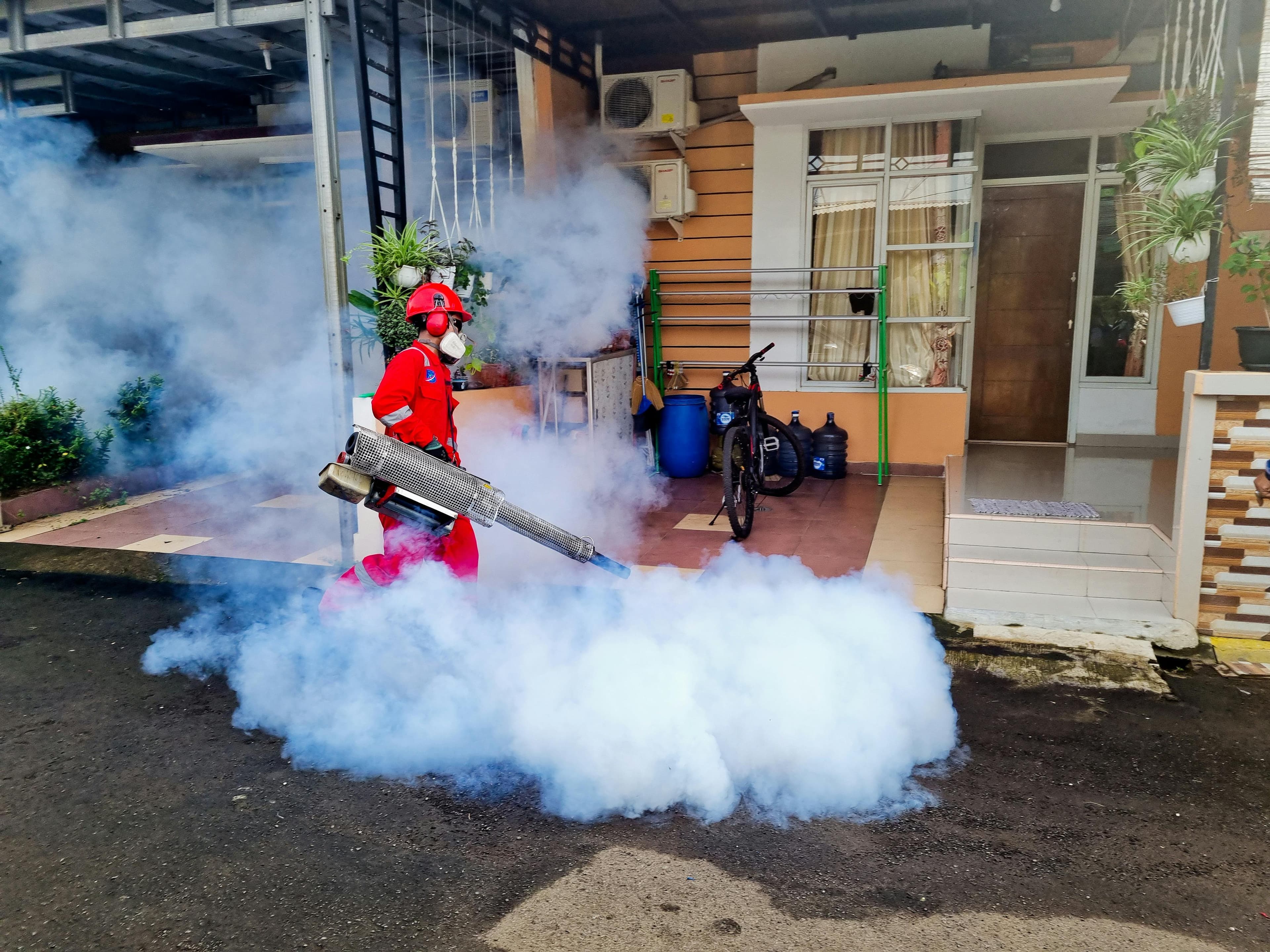
The Myth of the Natural
Every pest control company has one. The technician who seems to have a sixth sense. They know which customers need extra time and which want quick efficiency. They remember that the Johnson property has a tricky crawl space. They somehow always pick the right product for the situation.
We call them "naturals." We assume their excellence is innate—some combination of experience, instinct, and personality that can't be taught.
But look closer. What separates your best technician from your average one isn't magic. It's information. They've accumulated context over years of service: customer preferences, property quirks, treatment histories, local pest patterns. They don't have better instincts. They have better data—stored in their heads.
Information Asymmetry in the Field
Your veteran technicians carry institutional knowledge that took years to accumulate. When they approach a property, they're not starting fresh—they're accessing a mental database of past visits, customer interactions, and treatment outcomes.
Your new hires have none of this. They approach every property cold. Every customer is a stranger. Every treatment is a guess informed only by general training.
This information asymmetry creates a performance gap that training alone can't close. You can teach technique. You can't transfer ten years of accumulated customer knowledge through an onboarding program.
The Tablet Isn't Enough
Many companies have given technicians mobile devices. It feels like progress. But a tablet is just a tool—its value depends entirely on what information it surfaces.
Ask yourself: When your technician pulls up to a property, what does their device show them?
- Full treatment history, or just the last visit?
- Customer communication preferences and past feedback?
- Property-specific notes and access instructions?
- Recommended products based on historical effectiveness at this location?
- Time optimization suggestions based on the full day's route?
- Alerts about special circumstances (elderly resident, aggressive dog, billing issues)?
If the answer is "not all of that," your technology is a clipboard, not an intelligence tool. The device exists, but it's not closing the information gap between your veterans and your rookies.
Reducing Cognitive Load
Field service is mentally taxing. Technicians navigate unfamiliar routes, solve unpredictable problems, manage customer interactions, and make treatment decisions—all while staying on schedule.
Every piece of information they have to hold in their heads is cognitive load. Every decision they have to make without data is mental strain. By the end of a long day, even great technicians make tired decisions.
Intelligent field tools reduce this burden:
Navigation That Thinks
Not just directions, but optimized routes that account for traffic, service time estimates, and schedule flexibility. The technician focuses on driving and service, not logistics.
Contextual Information Surfacing
The right information appears at the right moment. Customer notes surface on approach. Treatment recommendations appear when logging service. Payment reminders trigger at checkout. The technician doesn't search—the system anticipates.
Simplified Documentation
Every tap and form field is friction. Intelligent systems minimize documentation burden through smart defaults, voice input, photo capture, and automated logging. The technician records outcomes, not paperwork.
Building Institutional Knowledge That Doesn't Walk Out the Door
Here's the uncomfortable truth about your best technician: someday they'll retire, or move, or start their own company. When they do, everything they know walks out the door with them.
Every service visit generates data. Every customer interaction creates context. Every treatment outcome teaches a lesson. In most companies, this intelligence lives only in the technician's memory—inaccessible to anyone else, lost when they leave.
Intelligent systems capture this knowledge automatically. When a technician notes that a particular treatment worked exceptionally well at a property, that insight becomes institutional memory. When a customer expresses a preference, it's recorded for whoever serves them next.
Over time, the system accumulates the collective wisdom of every technician who's ever worked for you. New hires don't start from zero—they inherit the organization's full knowledge base from day one.
The Multiplier Effect
Technology doesn't replace technicians. It multiplies them.
A technician with real-time access to complete customer history performs like a veteran from their first day. A route optimized for efficiency means more stops without more stress. Automated documentation means expertise gets captured instead of forgotten.
The goal isn't to automate the human element out of field service. It's to give every technician the information access that currently only your best ones have—and to ensure that excellence becomes institutional, not individual.
Your best technician's secret isn't really a secret. It's information. The question is whether you'll keep that information locked in individual heads, or make it available to everyone who wears your uniform.
Sources
Ready to explore intelligent operations?
Ardenus is building the AI-powered operating system for modern pest control enterprises.